
You built the business. We pay you for it as your customers move to us.
No lender. No buyer who might walk. Payments start as soon as you hand over the phones.
Here is how you get paid.
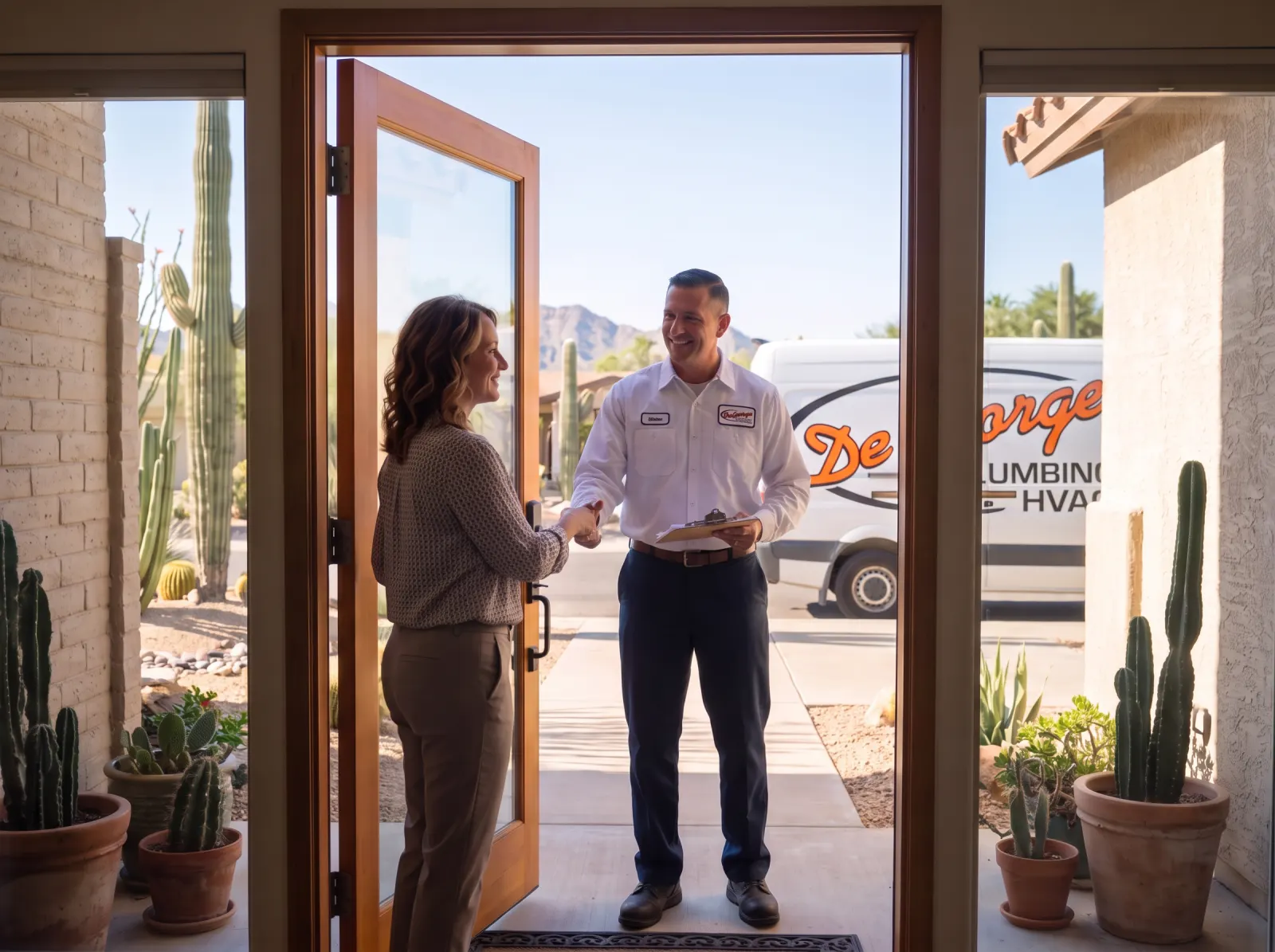
You can close in as little as two weeks.
- We talk. You tell us about the business and your customers.
- You agree to the program's terms. Send your customer list, two years of invoices and an equipment list.
- We close. We take over the phones, scheduling, billing and after-hours calls.
- Your handoff year. A fixed monthly fee while you introduce us to your customers.
- Three years of payments. A share of what your customers spend, paid monthly with a statement.
Why good HVAC businesses don't sell the usual way
Most buyers of a business your size need a bank or SBA loan. Lenders don't underwrite on your reputation or your phone ringing. They look at the earnings on your last one or two years of tax returns. Since October 2026, SBA lenders can't count on projections to approve a business purchase, and SBA rules don't allow a loan to finance an earnout.
A business that runs through its owner, with books kept for taxes rather than for a sale, is hard to finance however good it is. That's how lending works, not a judgment on what you built.
A conventional sale depends on a buyer getting a loan, having systems in place, or pristine books.
Conventional sale
Usually needs a lender's approvalMonths, once a buyer appearsCan fall apart over financing or appraisalOften asks you to carry a seller noteYou may need to stay on as license holderBusiness Transition Program
No lenderAs little as two weeksJust ensuring there are no legal or liability issuesNo seller noteIn Arizona, we use our own licensesWhat protects you
- A customer-by-customer statement every month, with the right to audit
- Paid on revenue, not profit
- Payments continue to your estate
- Payments speed up if we ever sell
- Job offers for your technicians, with competitive pay and benefits
- Your customers' maintenance agreements honored
Who this fits
Residential service and repair, repeat customers, and an owner ready to introduce those customers personally. Maintenance agreements help but aren't required.
It isn't a fit if you need a lump sum at closing, or if most of your work is new construction, home-warranty dispatch or commercial bids.
You'll deal with one owner, not a fund.

James Whitley has a career that spans finance, strategy, operations and management. He ran business model innovation and profitability for the home dialysis division of a Fortune 500 company, which included a nationwide network of delivery and in-home service teams. For the last four years he has run DeGeorge Plumbing & HVAC, a 70-plus-year-old independent plumbing and HVAC company in Arizona. Visit DeGeorge Plumbing & HVAC.
Before you decide
Questions owners ask
Is there money at closing?
Your consulting pay starts the first month. You keep your receivables, and we agree on how to treat inventory and equipment.
Are you private equity?
No. DeGeorge Plumbing & HVAC is a plumbing and HVAC company with one owner, James Whitley, and licensed tradespeople doing the work. There's no fund behind the deal.
Can I negotiate the terms?
No. Every owner gets the same structure, so you know you're getting what everyone else gets.
What if my customers don't stay?
Payments follow what your customers spend, so they'd be lower. That's why we work with you through the handoff year.
What happens to my technicians?
Technicians in good standing can expect job offers with competitive pay and benefits, and then work within our processes like the rest of our team.
I'm not in Phoenix. Does this still work?
Yes, in Arizona, Florida, Nevada, Texas and Utah. Outside the Phoenix area, your business keeps running as a local team, part of DeGeorge, serving the same community it does now.
Do I have to stay on as the license holder?
In Arizona, no. Your customers are served under DeGeorge's own licenses and you wind down yours. In other states, you may be able to stay on as the license holder for additional upside. It depends on the state's rules, and we cover it on the call.
What if I already have a broker?
You can still use the program. Check your listing agreement for exclusivity and tail terms. Your broker is paid the standard referral rate.
How do I know the numbers are right?
You get a customer-by-customer statement every month, and you have the right to audit it.
What if I pass away during the three years?
Payments continue to your estate.
I have a merchant cash advance. Can I still do this?
Possibly. It depends on what the advance has a lien on. We look at it on the first call.
I don't have maintenance agreements. Is that a problem?
No. You're paid on what your customers actually spend.